


Water Tank Structure – A Complete Guide to Strength, Safety & Long-Term Water Storage
Water tank structures play a crucial role in ensuring safe, reliable, and elevated water storage for residential, commercial, and industrial needs. A well-designed water tank tower not only increases water pressure naturally but also ensures uninterrupted supply across all floors and connected areas. With rising demand for modern infrastructure, engineered water tank structures have become an essential part of sustainable water management.
A well-built elevated water tank is designed to withstand harsh weather, high wind pressure, and heavy load conditions. The supporting columns and bracing system provide exceptional stability, ensuring that the tank remains secure for decades. Advanced engineering techniques, quality materials, and strict safety standards make these towers extremely dependable for both urban and rural applications.
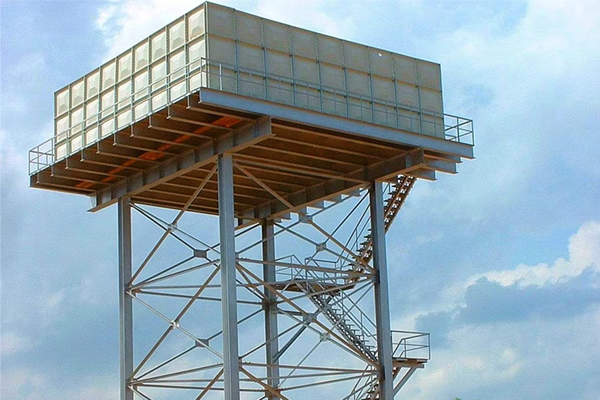
In addition to strength, modern water tank structures focus on durability and low maintenance. High-grade concrete or steel is used to avoid corrosion, leakage, or structural weakness over time. Proper design also ensures easy access for cleaning, inspection, and repair, making the entire system more efficient and cost-effective in the long run.
Water tank towers are commonly used for municipal water supply, industrial plants, housing colonies, schools, hospitals, and commercial buildings. Their elevated height naturally improves water pressure without relying heavily on motors, which reduces electricity consumption and operational costs. This makes them one of the most economical and environment-friendly solutions for water distribution.
Overall, a robust water tank structure is much more than a storage system — it is an investment in safety, reliability, and long-term infrastructure. With proper engineering and quality construction, these structures ensure clean water availability, stronger pressure, and dependable performance for years to come.